Category: Term Paper Writing

In this section, you will learn more about term paper writing and why most students world-wide need a little help to succeed in their studies. We will advise you on how to get the best research paper writing services and why this is the best place to get such help.

This is an important category in our website as it relates to our core function as an academic assistance service. In this section, we post more information on factors to consider before getting term paper writing services and why taking precautions is perhaps more important than anything else.

We also guide you on the best way to get our paper writing services, from ordering, chatting with the best term paper writers, and giving your instructions. We will explain why our writers are the best and above all guide you on how to maintain your confidentiality as you seek college paper help from them.

  • How Long is a Dissertation or Thesis: In Words or Structure

    How Long is a Dissertation or Thesis: In Words or Structure

    A dissertation is a type of research project that students have to complete at the end of their undergraduate or post-graduate degrees. Unlike in essays, students doing a dissertation have to choose a proposition or question themselves and then present the findings to the professor.

    Through a dissertation, a professor can find out a student’s independent research abilities. 

    A dissertation is one of the longest and most challenging projects doctoral degree programs students have to complete before graduating. When master’s students do the same research project, it is called a thesis.

    How Long is a Dissertation?
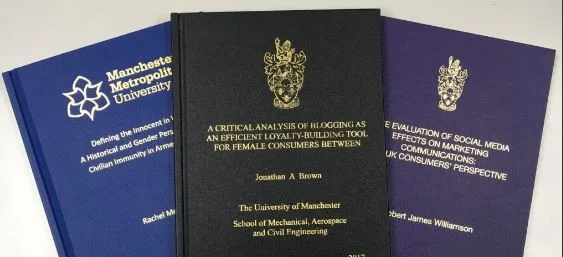
    written dissertation

    The length of a typical dissertation is one of the most confusing aspects of academia. Ideally, several factors such as analysis, area of research, and discipline will dictate the length of the dissertation you are going to write.

    However, the general length of a dissertation ranges from 150-300 pages.

    As a student, it is important to learn the variables that can dictate the length of this important research paper.

    Dissertations come from creative, qualitative, or quantitative research, but sometimes it can be a combination of both methods. These methods are the ones that will give you a clue of how much you are going to write. 

    Academic disciplines such as analyses of human behavior and scientific studies have short dissertations because they rely majorly on quantitative research methods. This includes fields such as biology, social sciences, and chemistry.

    All this is because they follow practices that are method-based with clear paths. The same case applies to students researching in fields such as business, economics, health sciences, and psychology.

    Dissertations on qualitative research have lengthy criteria and processes of analysis. Students have to add a lot of body knowledge and combine tertiary materials, images, and various documents. During the research process, there is a lot of consultation. A good example is the field of history, where one can write over 300 pages of a dissertation before getting a Ph.D.

    How Long is a Thesis?   

    The length of a thesis varies depending on the project you are researching and the method of analysis. However, the average length is 40-80 pages, with all the references and texts included. However, this word count does not include the appendices.

    Writing a master’s thesis is demanding and can take up to two semesters. 

    In terms of word count, a thesis ranges between 40,000 to 50,000 words. As usual, every learning institution has its expectations and rules that govern the word count of both thesis and dissertations. 

    How to Make Your Dissertation Long

    Writing a dissertation or thesis marks the culmination of years of hard work and research. As you prepare to earn a master’s or Ph.D., the dissertation is the final hurdle that you have to tackle.
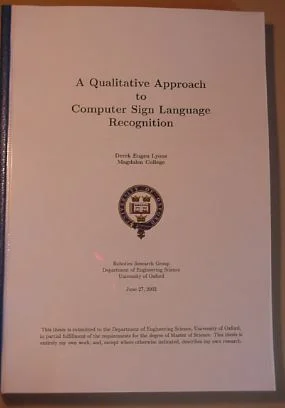
    qualitative research thesis

    In most cases, your supervisor, fellow students, and the committee are the guiding factors that will help you write a good dissertation. Below are tips that can help you write a long one:

    1. Use your Coursework

    Getting a Ph.D. takes a lot of time and research. If you want to make studies easier, work smarter and not harder. Start planning earlier by gathering materials for your dissertation during coursework. Most of the course contributes directly or indirectly to your dissertation.

    When you start a program, have a clue of what your dissertation is going to be at the end of your course. This makes it easier for you to start making key points and gather materials as you learn. 

    Whenever you take classes that have a relation to the dissertation topic you have chosen, take note of any information that will contribute to your dissertation. By the time you start writing it, you will have adequate information to write a longer dissertation or thesis.

    2. Get Feedback Earlier  

    It is good to share your work with supervisors and instructors earlier. As you gather ideas and materials for your dissertation, share them often with your supervisors. It will be the right time for corrections and directions that will make your preparation even better.

    Supervisors can explain most of the difficult sections of a dissertation. This can save you the hustle of redoing a whole chapter, especially when the due date is getting closer.

    3. Move Around

    A dissertation consists of several parts and stages. Others may be easier, while others take a long time and can be difficult to tackle. The best approach is to have an outline of the argument for the chapter.

    After this approach, you can tackle straightforward sections that are easier and leave the difficult parts that will likely take you a lot of time. You can then return to the difficult parts with more sureness to tackle them. 

    4. Do not Spend too much Time Reading

    The literature review is arguably the worst stumbling block when writing your dissertation. This section analyses what previous researchers have written about your topic of choice.

    At this point, you do not have to spend time reading everything that others have said about your topic. This part is only in the dissertation as a way of giving context to your research work as a scholar. 

    Focus on what the literature review relates to your research, and don’t try to show the committee that you know everything. If the material you are reading for the literature review has nothing to do with your dissertation, don’t waste time on it. This is the only way you can create time for more meaningful sections that will make you write a longer dissertation or thesis.

    How Long is a Dissertation Defense?
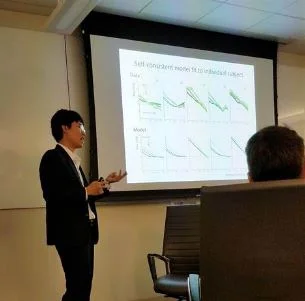
    a thesis defense

    A dissertation defense takes approximately two hours. This usually depends on the department and the field of study you have been researching. The best thing to do and be in a safe line is to plan for a presentation of at least two hours.

    It is ample time to present an outline of the problem that you have addressed in your research and all the methods you applied. You will also present your findings in the dissertation defense.

    For starters, you have to give a proper introduction of yourself. This should be followed by a presentation of the summary of your work. During the two hours, there are likely to be a lot of interruptions from the committee, but ensure you answer all the questions appropriately. 

    The committee will then meet privately to deliberate on the presentation you have made. In the defense meeting, the committee usually analyzes the merits of your dissertation. They gauge your abilities to explain the results of your research and how you handle the implications. 
  • Mathswatch Answers: 2025 Hacks for your GCSE/ KS3 Tests

    Mathswatch Answers: 2025 Hacks for your GCSE/ KS3 Tests

    Looking for someone who can explain things simply and straightforwardly? You are in the right place. The site helps you improve your math skills online with thousands of free word problems and answers to help you prepare for an exam.

    Mathswatch Answers is a very informative website that can help you if you’re having problems with formulae, schoolwork, even math’s in your workplace.

    5 Ways to Get Mathswatch Answers

    There are many different ways to get Mathswatch answers:

    Downloading

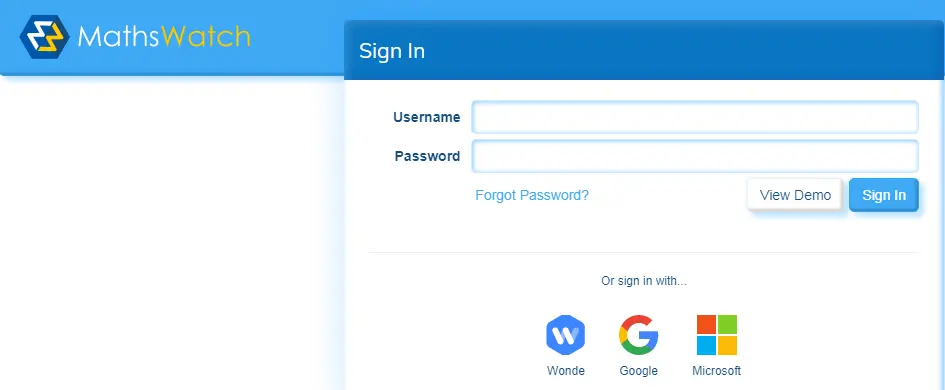
    mathswatch signin

    The most popular way is by downloading the program from the internet, which will allow you to try the program out for free.

    Of course, if you want to use the program regularly, it is recommended that you purchase it to continue using it as long as you like.

    Purchasing the Program

    Another way to get Mathswatch answers is by purchasing the program through a website such as School Zone or Amazon. These sites usually sell the software and the manual separately, but they normally charge more than what you would pay if you were to download it directly from the website.

    If this is your first time purchasing an online educational program, then it would be wise for you to research each company.

    Use Google Search Engine

    You can use the Google search engine to get the answer to Mathswatch. It is easy because you only need to type in the question and click the search button. After that, many answers will appear on your computer screen.

    You can check one by one until you find what you are looking for. Make sure that you have typed in the right keyword so your result will be accurate.

    Visit Online Educational Website

    Many educational websites provide students with many kinds of subjects, including math exercises and their solutions.

    You will not find all of the questions on mathswatch, but there are many questions and answers available there and useful for your study. Some examples of online educational websites you can visit are Khan Academy, Mathway, etc.

    Ask Your Teacher for Help

    Asking your teacher for help is the simplest way to help you get Mathswatch answers. If you are unclear about a particular topic, you can ask your teacher to explain the concept in detail. If you have any confusion regarding the solution to a problem, you may also ask your teacher for help.

    Another option is to check your textbook or other recommended books by your teachers or parents. These often contain some of the information needed, but they will not always have all the answers, so it might be hard to find what you need in these books.


    Common Mathswatch Answers Hacks

    mathswatch answers

    The first hack is quite simple: take advantage of the search bar on the Mathswatch website to find answers to common questions.

    For example, if you want to know how many sides a square has, just type “square” into the search bar, and you’ll get the answer right away!

    If you’ve got a question about triangles, just type “triangle” into the search bar, and you will get an instant answer!

    This is one of my favorite hacks because it saves so much time when you are trying to figure out how many sides something has or how big it should be on the screen.

    A little manipulation will allow you to get the correct answer and sometimes even multiple correct answers for any question on Mathswatch. To do this, simply type in your question into Google and then add ‘mathswatch’ or ‘mathswatch hacked answers’ after it.

    How to Prepare and Pass Mathswatch Exams

    Mathswatch exams are an exam that helps to prepare you for your end-of-year exams. The Mathswatch exam covers algebra, geometry, multiplication, division, and more. There are several ways to prepare for the Mathswatch exam.

    1. Read through Practice Questions

    Take time to sit down with a pen and paper and do the practice questions available on the Mathswatch website. This will help you get familiar with the exam format and give you an idea of what questions might be asked.

    2. Review Your Math Sheets

     It is important to review your math sheets when studying for a Mathswatch exam because it’s likely that questions will be taken from these sheets. Your math sheet includes everything you have learned within the year. So, you must review these sheets before taking the exam.

    3. Join a Study Class

    a study group

    A study class is a great way to prepare for the Mathswatch exam because it allows you to work together with your fellow students to understand difficult concepts and go over material that you have trouble understanding or remembering.

    Study classes also provide students with additional resources, such as worksheets, textbooks, and handouts.

    4. Have your Calculator set up and Ready to go

    This saves time, so you do not need to worry about that part of it. Make sure you have batteries in your calculator and set it to degrees mode. Also, make sure there are no functions on your calculator that you won’t use for the exam.

    5. Attempt the Question

    Remember, no one gets everything right the first time! Avoid calculating the answer first. When you have read the question, select the correct formula or method for the question so it is ready to use when needed.

    Use an appropriate method to solve a problem so it is easy to complete, check, and mark. Use working systematically to show your method clearly, so you can check your work quickly. Check your answer against the question criteria to see if it makes sense.

    Check your answer using a sensible approach, such as estimating or inverse operations. If you cannot complete the answer, mark it as ‘not attempted’ and return to it later. You can always ask for help from your teacher or parent if you still need assistance after trying again.

    Can’t Log in to Mathswatch

    If you cannot log in to Mathswatch, you will need to contact your school’s Mathswatch administrator.

    If you do not know who the administrator at your school is, don’t hesitate to get in touch with your teacher and ask them to complete this form on your behalf. This will ensure that we can either update your details or reset your password for you correctly.

    How to Get Mathswatch for Free

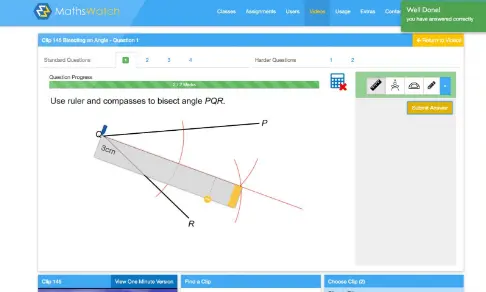
    using mathswatch

    Mathswatch is a free resource that allows students to access math worksheets, videos, and tutorials.

    These features are usually only available to users who pay an annual subscription fee. However, anyone can access these resources by following a few simple steps.

    • Once you have all your information, go to the Mathswatch website and enter your username and password. You will be able to access all of the resources and download any of the materials you want.
    • Visit the Mathswatch website. The homepage is full of colorful images and contains information about the site’s purpose and goals.
    • Click on “Parent” at the top right of the page. The site will then display information about how parents can use the site to help their children. Click on “Free Trial.” This link will take you to the Trial Registration page.
    • Click on “Register.” This will take you to the trial registration form, which requires that you provide your name, email address, phone number, and mailing address. Also, provide a username and password to log in after your registration has been processed.
    • Close your browser when you are finished registering for the free trial. When you log back in later, you will be able to access all of Mathwatch’s content for free for 30 days.
  • How to write a Theory of Knowledge (TOK) Essay: Full Guide

    How to write a Theory of Knowledge (TOK) Essay: Full Guide

    A Theory of Knowledge (TOK) essay entails reflecting on the nature of the topic you are writing about and how best you know it. However, you cannot wake up and get started with the TOK essay. There is a need to do thorough planning from start to finish.

    This will ensure that you choose the right topic and come up with an essay that meets International Baccalaureate (IB) standards.          

    How to Write Theory of Knowledge Essay Reflections

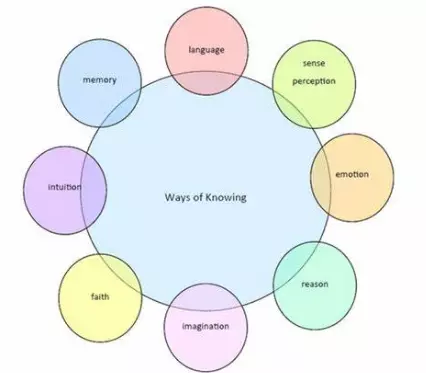
    ways of knowing

    Unfortunately, it can be a daunting procedure to write TOK essay reflections.

    But here is a guide to help students write a TOK essay that will guarantee them a good TOK grade.

    1. Understand the Title

    You need to know what the title is all about. This means that you have to read the question and understand it.

    Get to know what the title requires of you and what keywords to use. In this connection, you will need to have known areas of Knowledge (AOK) and ways of knowing (WOK).

    They will help you get an in-depth understanding of the question and make short notes and, comparisons, and contrasts with a lot of ease.

    However, there is a catch. You ought to be clear about the areas of knowledge you choose. Unlike math and history, you have to understand the title, define keywords and create a brilliant response. You have to understand the terms and TOK questions.

    2. Pick a Title

    Picking the right title can be a challenge, but that does not mean it is beyond your reach. You have to pick a title with an AOK you are interested in or familiar with. There is no choosing a topic just because it looks appealing or straightforward.

    You have to go through all the available titles and choose the one you can easily hack.

    The teacher will provide you with a list of TOK essay titles to choose from. Usually, the IB creates the titles. Once you have options at your disposal regarding titles, it is upon you to compare and contrast.

    At this juncture, there are many questions to ask yourself. Doing such an assessment allows you to pick a fully understood title. You know which concepts or keywords to use. If unsure about the meaning of words or concepts, make sure you check your class notes to get the hang of them.

    Most importantly, you need to have a strong interest in the title you choose. For instance, if you pick a title in history or arts, you must be passionate about it. Besides, the title needs to have an objective perspective.

    This entails relating the title to what you learned during the TOK course, your personal thoughts, and topics covered in class. The TOK essay should be clear and reveal the passion of the topic or title you pick.

    3. Time to Rewrite the Title

    essay titles

    Understanding the title of your choice can be a challenge. This is normally the case when you read it for the first time. That being the case, you should take the time to demystify and rephrase the title. It helps you know what the title requires of you.

    In fact, it will be easier to get a clear picture of the question you are tackling and how best you can answer it. As such, you should not be in a hurry when it comes to rewriting the title you choose.

    4. Know the Grading Criteria

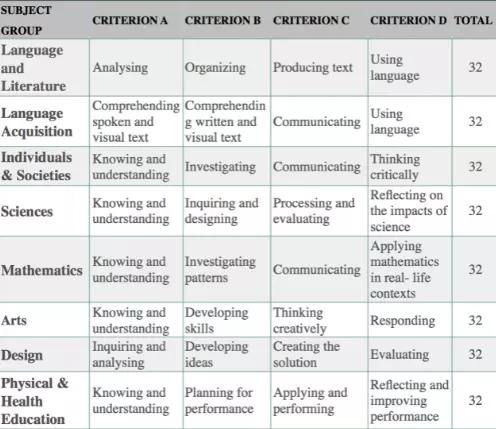
    IB criteria

    Once you write your TOK essay, it has to go through a grading system. The IB uses a four-part criterion when it comes to assessing your essay.

    The first step gauges the knowledge issues. It involves ensuring your essay does focus on the issues on a comprehensive level.

    Then, you have to develop to adopt an interdependent mindset.

    Once you have done so, it will be the right time to analyze the knowledge issues. Have an in-depth understanding of the issues, raise arguments, and demystify your main points.

    It helps you create a structured, accurate, factual essay with well-researched references.

    5. Read and Understand the Instructions

    You will need to read the instructions provided. The essay might require you to assess the claim in question. Understating the instructions allows you to justify your statement by providing supporting arguments.

    This might not be an easy undertaking since you will have to eliminate any uncertainties.

    You have to follow all the instructions to the latter to support your statements.

    Reading the instructions also lets you familiarize yourself with some terminologies that go into the TOK essay. You have to use vocabulary and definitions to offer you a chance of scoring a higher grade.

    Also, challenging personal biases is something you will need to do. That means you have to know what the essay requires of you through the instructions provided.

    6. Go through Your Ideas

    Definitely, you will need to have an outline of your essay. So, come up with a list of ideas you need to incorporate in your essay. Once you note them down, you have to go through them.

    Brainstorming allows you to analyze your topic and separate chaff from the wheat. Identify the ideas that support your claim and those that do not. Also, you can identify any ambiguities so that you can get rid of them as soon as possible.

    Writing Theory of Knowledge Essay in Whole

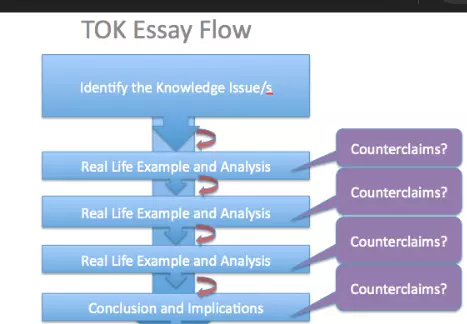
    How to write a TOK essay as a whole requires a lot of seriousness and attention to detail. Once you have noted your ideas well, it is high time to get down to work. Following the instructions, you have to come up with an essay that is structured properly.

    how TOK essay flows

    Your ideas need to make sense and define your understanding of your topic.

    You have to make an outline of your essay and perform in-depth research by reading various TOK essays.

    This will help you navigate the entire process of writing your essay.

    There are mistakes you will have to avoid while writing your essay. For instance, desist from using dictionary definitions.

    Ensure that your essay is reflective and not just copy-pasting textbook definitions.

    Above all, you must convince the assessment committee that you understood the topic, researched it, and obtained relevant references.

    Therefore, overcoming the complexities that come with writing a TOK essay is something you need to be good at.

    Proofreading is important to eliminate any grammatical errors and spelling mistakes. You can bring on board a professional to do the editing and necessary corrections so that you have an error-free essay. However, not just anyone can do the job.

    The professional should have a good grasp of how to write a TOK essay. Therefore, ensure you assess the available experts in this field before making your selection.

    Examples of Theory of Knowledge Essay Interactions          

    When writing TOK essays, interactions are crucial to your process. With these interactions, a student can be able to work in collaboration with the teacher. The teacher’s work assists the student in developing the ideas at hand.

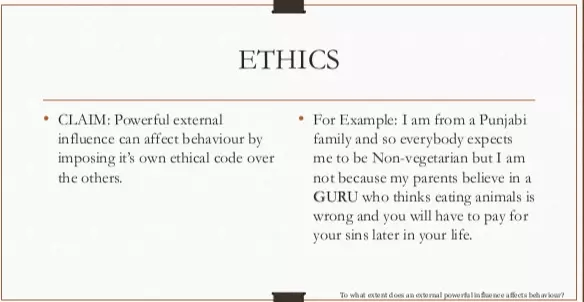
    example of TOK presentation

    Below are examples of TOK essay interactions;

    • A discussion of the title can be the premier interaction of your essay. The discussion should give reasons for choosing the title and explain its meaning. A description of all the phrases in it and AOKs that can help tackle the questions should not be missed. In short, the end of this discussion should have certainty of the choice of title.
    • A second interaction gives an in-depth explanation of how ideas are progressing forward. Here, reference to the ideas and essential thinkers needs to be explained. Also, emphasize more on points of view that have come up in your discussion. This should include possible problems you have come across so far. With these explanations, the construction of a good essay plan will not be difficult. It paves the way for writing a comprehensive draft TOK essay.
    • In your third interaction, reflect on your teacher’s observations on your draft essay. It makes it easy to not only comprehend your teacher’s comments but also make full implementation. Completing your third interaction means you are now fully ready to write the final essay.

    Conclusion

    When it comes to writing a TOK essay, there are guidelines you will need to learn by heart. Those steps will help you create an essay that guarantees you the perfect score. You need to pick the right title, know which keywords to use, have an outline of your essay, and eliminate any grammatical issues through proofreading.

    To be honest, you will have to be careful so that you write an essay that is not only engaging but also has relevant ideas regarding the question at hand. So, you need to show commitment and prepare thoroughly so that you can pass your TOK essay.

  • Can you Reuse Papers in College? Submit and get away with it

    Can you Reuse Papers in College? Submit and get away with it

    As a college or university student, you sometimes find yourself with assignments that you have done before. You might also be given a task that you did in a previous class. This brings the question if you can reuse old college papers or previously submitted essays. We answer this in detail.

    The answer really depends on how you use them. If you reuse them cleverly and re-submit them afresh, then you have a chance.

    While you can avoid all the trouble and risks of using old papers, just hire our paper writing service, and expert writers will create new and original papers. If you want to take the chance and do it yourself, read on for expert tips and detailed answers.

    Can you Reuse Papers in College?

    For best practice, you cannot reuse old papers in college or university because it is considered self-plagiarism. Plagiarism scanners like Turnitin and SafeAssign will detect and flag previously submitted papers as plagiarism.

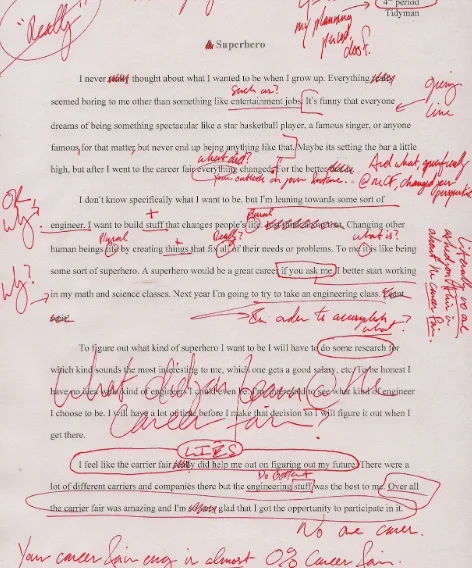
    marked essay paper

    However, you can reuse old papers and essays by paraphrasing them well, referencing them, or using them as models for writing new ones.

    A plagiarism scanner like Turnitin stores every type of work checked through it. Re-using your work is a form of plagiarism known as Self-plagiarism.

    Re-using papers does not show progress and eventually affects your academic performance.

    There are circumstances where one can re-use an already submitted paper. First, you can paraphrase the work correctly and make it look original.

    Paraphrasing can do away with plagiarism. Using synonyms, rearranging the sentence structure, changing voice from active to passive, and reading the whole work and writing it from your mind are ways to produce perfect paraphrased work.

    Secondly, some institutions may allow students doing research to re-use findings from previous research. These institutions have set up rules regarding this practice.

    The students should clearly outline the need to re-use the work, the work to be used must be expanded, and the work must bring in new research.

    The other way you can reuse your work in college is by asking the paper you submit to be given back to you.

    This is done by writing to the instructors, who ask Turnitin for your paper. These papers are not saved into the Turnitin database and can be re-used by students without being caught.

    Can you Turn in the Same paper for two Different Classes on Turnitin?

    Even if the topic or subject is the same, turning in a similar paper in two different classes is plagiarism. Turnitin usually has a database that stores every type of work submitted through it.

    A paper will be flagged as plagiarized if it matches any information in the Turnitin database, despite the paper being submitted in different classes.

    Turnitin aims to prevent the use of a similar paper under one course. Though the classes are different, the course does not change.

    If I retake a Class, can I use the same Paper?

    How you use the paper determines whether it is right or wrong. Failing a paper and missing classes is common among students in college.

    Instructors ask them to retake the class, therefore, retaking the papers they may have done previously. Students should always remember that the first paper was already submitted on Turnitin, and re-using it will be regarded as plagiarism.

    Using Previously submitted papers

    The only way students can escape plagiarism in these circumstances is by re-using the paper to expound previous ideas or come up with new ones. 

    If you are retaking a class because you failed a paper, re-using that paper is ridiculous.

    You will be reusing ideas that did not help you previously.

    That is simply desiring to fail twice. In institutions where papers do not undergo plagiarism checks from any software online, reusing papers is common. Not all instructors can detect re-used work.

    Can you use a High School Paper in College?

    High school and colleges are two very different levels of study that cannot be compared. College students can stoop low if they use or re-use high school papers.

    High school work structure, argument, and researches are very different compared to those of colleges and other higher institutions of learning.

    Arguments explaining the thesis in colleges should thoroughly explain opinions and be more creative compared to arguments of in high schools.

    The opinion used in college papers should warrant different opinions, and the thesis must be reasonable, logical, provocative, and tempting.

    High school essays are usually short compared to expected long university essays. There is no pressure among high school students to show their best and break limits as it is in college students.

    This requires college students to think outside the box and speak their minds exhaustively. College researches are also complex and need to be more deep compared to high school research.

    The sources required in colleges are way much more than those required in colleges. The level of reasoning, uniqueness, and drawing of fresh conclusions is higher in colleges than it is in high schools. 

    Therefore, it is unacceptable for students to use high school papers in college. Every academician can attest that the concepts used in high school cannot be used in college.

    The quality required is different, and failure is the most likely outcome. Even using high school work as a means to expound on an idea rarely works. College students should stick to college work requirements.

    Can canvas or Blackboard tell if you Reuse Paper?

    Canvas does not contain any plagiarism-detecting tool for itself. Instead, it uses a third-party tool, Turnitin, which is used by many schools to detect plagiarism.

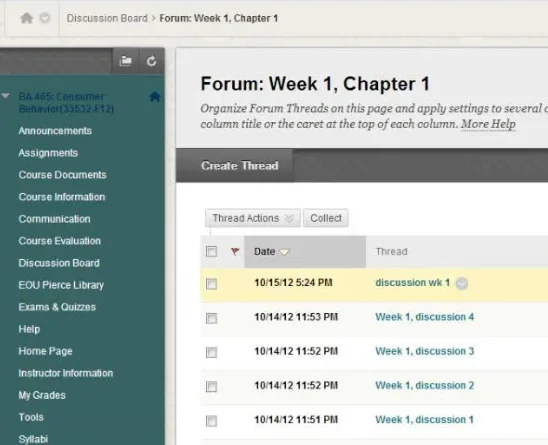
    using blackboard

    Turnitin checks plagiarism by comparing work submitted to Canvas against its database. The database consists of all work submitted by students, all pages available on the internet, and content from books and journals.

    Once plagiarized work is submitted on Canvas, Turnitin will help flag it as plagiarized.

    This includes re-used papers and other papers similar to any content in the Turnitin database.

    Blackboard is integrated with SafeAssign, which is a plagiarism-checking software that can be accessed on Blackboard’s settings page.

    SafeAssign’s major purpose is to check plagiarism in submissions and help students know how to acknowledge their sources of information. Plagiarism is checked by comparing submissions against academic papers available on the SafeAssign database.

    Detection of similarity between a paper and a source material is aided by the unique text-matching algorithm.

    An originality report is generated that contains information detailed about the similarities found with a percentage score provided for the matches found.

    SafeAssign detects re-used papers. The papers are already on its database, for they were previously submitted.

    This can be avoided if one had asked for his or her paper to be given back by SafeAssign. The paper is not stored in the SafeAssign database.

    How to avoid Self-plagiarism.

    Plagiarizing yourself is usually known as self-plagiarism. It is not much different from normal plagiarism, and one is eligible for punishment if caught.

    Avoiding self-plagiarism is an important part of practicing ethical writing, whether in academics or elsewhere. If you do not avoid it, you will be flagged, as you cannot submit a paper twice on plagiarism scanners like Turnitin or SafeAssign.

    What Self-Plagiarizing Involves

    It involves reusing work either previously submitted in a class or published. Self-plagiarism presents your old work as new. This can easily confuse the readers of your work. The following are some of the examples of self-plagiarism:

    How to Avoid Self-Plagiarism
    1. Copying sections of your previous submissions into a new paper.
    2. Submitting the same paper in two different classes.
    3. Using the same data that you used in your Bachelor’s degree in your Master’s.
    4. Giving out already published passages, introductions, and conclusions as manuscripts for a new data publication.
    5. Not making the reader aware of the data used in previous studies. (whether published or not)
    6. Publishing different journals containing many matching papers under the same study.

    1. Paraphrase your old Paper before Reusing

    Paraphrasing involves using your own words to present ideas and information from an original source. A good paraphrase should not be a summary.

    You should also be careful not to change the meaning of the original paper as you rephrase the ideas in your own words. The following is the best effective way to paraphrase any piece of work:

    1. Reading the original work and understanding it fully.
    2. Write down your paraphrase without the original paper on-site. When writing, try to change the voice from active to passive, use synonyms, and alter the sentence structure.
    3. Compare your paraphrase with the original. This is done to make sure that your paraphrase has not lost meaning and that all crucial parts of information have been added.
    4. Any term or phraseology borrowed from the original text should be put in quotation marks.
    5. Write down the source to avoid delays if you decide to include the material in your paper and you need to incorporate it.

    2. Cite and Reference your Previous Paper

    Correctly citing sources can distance you from plagiarism. This is mainly decided by instructors. Plagiarism checkers check similarity and are likely to flag cited text.

    Almost every writing format has its citing method. To avoid plagiarism, one must cite correctly per the guidelines of each citation style.

    Citing sources usually shows that you are giving credit to the original sources of your data.

    3. Get points from your Old Papers

    Rather than submitting a duplicate of your previous submission, you can get points from that work and use them to come up with unique content.

    Paraphrase the points and start researching on them as if the work is new. You can use different sources from the ones you used previously.

    Through this, you can expand your knowledge on a particular topic more and gain more understanding on the topic too.

    4. Use the previous college papers as models

    You can use your previous papers for ideas and as a means of answering certain questions. This does not involve copying the content on the paper directly.

    If you come across questions similar to the ones you have done before, use the previous questions to direct you on how to answer the new questions.

    With that in mind, you can then study and research the questions and come up with new or more advanced answers.

    5. Correct the mistakes you made

    To avoid self-plagiarism through re-using papers, you have done before, and you can correct the mistakes you made in those papers to come up with unique content.

    Rarely do students get everything right in a given assignment. This means that there are wrong answers, arguments, and explanations that you are likely to put across.

    Correcting these mistakes leads you to come up with a unique answer.

    You can get other points from the sections you got right or use them as references to come up with an answer different from the previous one.

  • How Old Sources for References and Literature Review should be

    How Old Sources for References and Literature Review should be

    For many students, the question of how old or how recent the references should be in a paper is often confusing. In this comprehensive guide, we explore the age of your sources for a literature review or arguments in your paper, essay, thesis, or dissertation.

    The issue of the recency of sources comes up because, in most cases, instructors fail to teach their students about referencing when it comes to their relevance and age.

    Instructors focus more on how students should structure or organize their references as per academic conventions of writing formats such as MLA, APA, Chicago, Harvard, and so on.

    How Old should your References be in a Paper?

    The age of your references in a research paper should not be older than 5 years old unless otherwise stated. This applies where possible, as some papers require older sources.

    writing references

    Using recent sources gives you updated information, which improves your paper’s credibility and affirms the authoritativeness of your arguments.

    However, this depends on the type of paper and its discipline. In some papers, you can use older references. For example, imagine your paper’s topic is the Cold War.

    In such a topic, you can use references from the 1980s and 90s because the issue of the Cold War was particularly explored by scholars when it was occurring.

    On the other hand, imagine you are writing about the socio-economic impact of Trump’s presidency in the United States. In such a topic, you will strictly use references of not more than 4 years because Donald Trump became president about 4 years ago.

    From the examples above, it is evident that the paper’s nature and the context to be written will determine how old the references will be.

    The point here is that you should know the type of paper you are going to write so that you can determine the age of the references to be used. Though this is the case, you should avoid references older than 6 years when writing a paper.

    Combining the Age of Sources for Some Papers

    Some papers require old sources, while other essays require recent sources. Also, some instructors are more lenient regarding the age of references used, while others are strict.

    In that case, you can comfortably combine both old sources with the most recent ones. The content and context of the paper also determine how old the references should be.

    Old vs New Academic Sources

    For example, imagine being given a topic concerning the economic impact of COVID-19 in the United States, and you are required to come up with a 5-page paper.

    Since this will be a research paper, you will use peer-reviewed sources to support your arguments and provide actual facts and statistics to reinforce the arguments.

    In such a case, your sources will be as recent as the current month of 2020 because this is the year when the disease became a global pandemic.

    You cannot use references older than that to support your arguments.

    For historical papers, students can use older references because historical events are past documentation of occurrences that cannot be altered. 

    This is a straightforward example to demonstrate the importance of using relevant and age-appropriate references. The following sections discuss this issue in detail.

    How recent should your references be in a paper?

    Your references for your papers and essays should be as recent as possible and within 5 years of publishing. However, the topic of your paper determines how recent your paper should be. Through the references can be as recent as the year you are writing the paper.

    This especially applies to topics that are based on current issues or trends. For example, topics revolving around COVID-19 fall under current issues, and therefore references as old as a few days from the time you are writing the paper can be used.

    5 year recent references for paper

    However, topics that are not centered on current issues should not use references that are extremely recent, like a few days old.

    This is because the source has not had enough time to be analyzed by more scholars who could disapprove of the arguments or findings of the source material based on their scholarly approaches and research.

    Read more on this issue in our guide on how old references should be so that you can learn in detail and get the factors involved.

    Factors to Consider when Determining the Age of your References

    One of the most important factors to consider when determining the recency of references is the year they were written.

    In any piece of writing, the author(s) provide their names and the year, at times, the month and day they wrote it.

    In scholarly writings, the name of the author(s) and the year of publication is always provided. Therefore, when determining the recency of references, look for the year the source was published.

    The second factor to consider when determining the recency of references is the topic or the issues that are discussed within the source material.

    As aforementioned, papers can discuss recent or trending issues, while others can discuss historical issues. If the topic of the source material covers recent issues, then the reference is recent.

    On the other hand, if the topic discusses past or historical issues, then there is a great probability that the reference is old.

    Finally, the writing and/or academic conventions used to create the source material determines the recency of references. Writing and academic conventions are constantly evolving.

    The methods used to write and reference different types of papers, like APA, Harvard, and so on, have been changing.

    Therefore, sources that use outdated writing and referencing conventions are old, while those using the latest conventions are the most recent.

    How Old Should Literature be in a Literature Review?

    Now that we have discussed the reason behind the question of how old your references should be let us delve into more detail concerning literature in literature review.

    Ideally, the literature in a literature review should not be more than 5 years old from the time of publishing to when you are using it as a source for your essay, paper, thesis, or dissertation. However, this depends on the available resources and the topic you are writing on.

    While some topics have so many sources of information, others are so recent and have fewer sources in the library to depend on. Therefore, consider a well-resourced topic when selecting it before writing the literature review.

    As the name suggests, the literature review is the process of analyzing a particular topic from a critical point of view.

    This means you will use various secondary literature to help support your claims within the literature review. This also depends on the type of paper you are writing.

    There are different types of papers, and each paper utilizes a set of rules when it comes to referencing. Let us explore the age of the sources needed to write a paper.

    Reasons for Using Recent Sources

    One of the reasons behind this is centered on the literature review itself. What is the topic to be discussed? The literature review explores the current knowledge concerning the topic.

    How Old should Literature be

    If other writers have explored the same topic, then it means that they have refined their findings because they have been building upon other writers’ works.

    Therefore, it is imperative to use the most recent literature during a literature review. The more recent the literature, the more accurate its findings will be.

    Another reason for using the most recent literature during the literature review is that older claims can be dismissed by recent claims.

    Research is important because it helps us to understand the underlying factors that cause something.

    If, for example, an author presented a claim 10 years ago, another author may dismiss the claim after a few years because of further research.

    This is the reason why it is imperative to use the most recent literature to provide current knowledge concerning the topic.

    What comes first; the Relevance or the Age of Essay Sources?

    The answer to this question depends on the paper’s requirements. However, the relevance of the sources should come first. Relevance is defined as the relation of something to the matter at hand.

    Therefore, if the sources are used to provide relevant and credible content about your topic, then their age does not matter. What matters is the credibility and applicability of the source’s information to your essay.

    Though this is the case, some instructors will only accept the most recent sources because they provide current research concerning the topic at hand.

    In such cases, it is best to provide the most recent sources while still considering their relevance.

    However, there are some old sources that are used because of their authority. There are aged, highly cited old papers, and the reason why they are used is because of their source.

    What should be noted is that while you will be required to provide recent sources in most of your papers, it is imperative to consider the relevance of those sources first. Not all sources are relevant to the topic at hand.

    Final Advice

    To conclude, we will advise you to consult your instructor and know his or her expectations concerning the age of your sources.

    If instructors tackle this question with their students, then the issue of students using irrelevant references or references that are considered too old would not be rampant.